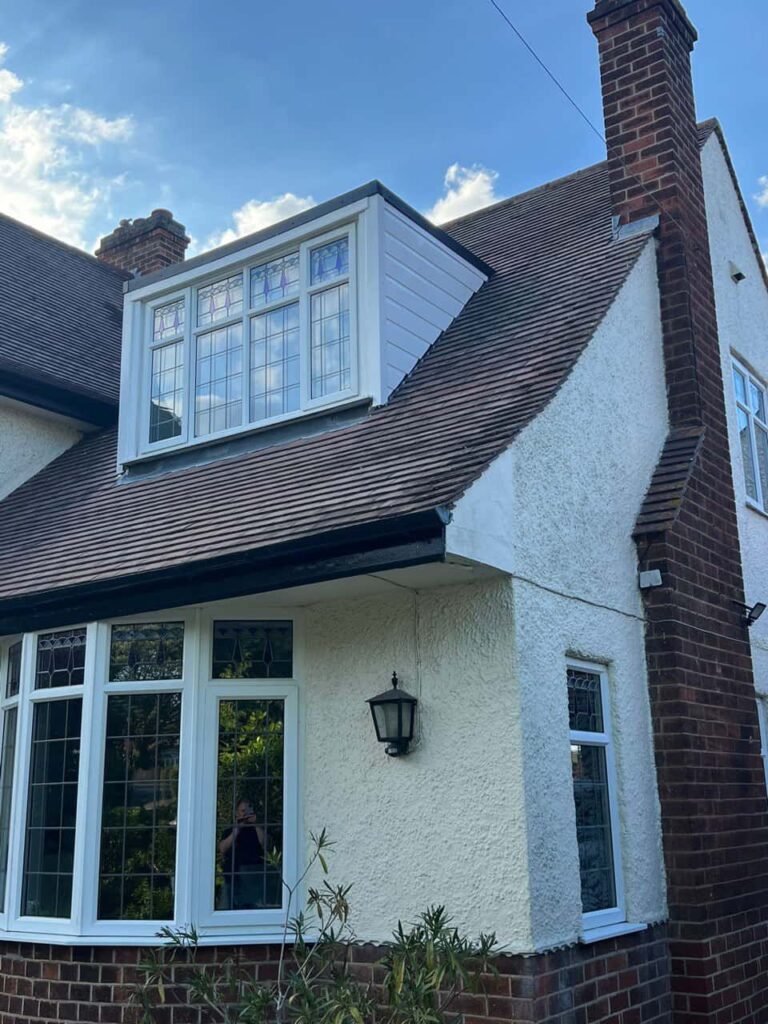
Lead flashing protects some of the most vulnerable parts of a roof. It is commonly fitted where the roof covering meets a chimney, wall, valley or another change in construction. Its purpose is to direct rainwater safely over the tiles or roof covering rather than allowing it to enter through the junction.
Although lead is durable and flexible, it is not immune to deterioration. Cracking, lifting and separation can occur when the material is incorrectly fitted, repeatedly stressed or affected by movement in the surrounding roof. Identifying the cause is essential because repairing the visible split alone may not prevent the problem from returning.
Common Reasons Lead Flashing Becomes Damaged
Lead flashing must remain securely fitted while still being able to accommodate natural movement. When installation details, fixings or surrounding materials prevent this, stress can build up within the lead.
For properties in Cannock, West Midlands, the following issues are among the most common reasons flashing stops performing reliably.
Repeated Expansion and Contraction
Lead changes slightly in size as temperatures rise and fall. A correctly installed section should have enough freedom to accommodate this natural movement.
If a piece of flashing is too long, overly restrained or fixed incorrectly, repeated expansion and contraction can concentrate stress in one area. Over time, this may cause rippling, distortion, splits or fatigue cracks.
Damage often develops around folds, corners and fixing points where movement is restricted.
Sections of Lead Are Too Large
Installing lead in lengths or sheet sizes that are unsuitable for the location can make thermal movement more difficult to control. Larger pieces expand and contract more than shorter, correctly detailed sections.
The resulting movement may pull the flashing away from the wall, disturb fixings or create cracks. Dividing the lead into suitable sections with correctly formed overlaps allows each piece to move more effectively.
Poor Fixing or Shallow Installation
Flashing fitted into brickwork normally relies on a secure chase or joint to hold its upper edge. If it is inserted too shallowly or inadequately secured, wind and natural movement may gradually loosen it.
Once the upper edge pulls away, rainwater can run behind the lead instead of over it. The flashing may still appear to cover the roof junction, but its weather-resistant function has already been compromised.
Deteriorated Mortar Around the Flashing
Mortar helps keep certain types of flashing secure within a wall or chimney joint. As mortar weathers, cracks or crumbles, the lead can lose support and begin lifting away.
Simply applying sealant over deteriorated mortar may provide only temporary protection. The loose material must be assessed, and the flashing should be secured using a method suitable for the existing construction.
Movement in the Roof or Chimney
Lead often bridges two different parts of a building, such as a tiled roof and a masonry chimney. These components may move independently due to temperature changes, settlement or deterioration.
If the flashing cannot accommodate that movement, it may stretch, crease or tear. Cracks can also develop where the lead has been dressed tightly across a moving junction.
Incorrect Dressing Around Corners
Flashing must often be shaped around corners, steps and changes in roof level. Lead is malleable, but forcing it into sharp or unsuitable folds can thin and weaken the material.
Poorly formed corners may hold water or place excessive stress on one point. As the lead continues to move, these weakened areas can split.
Wind Lifting an Exposed Edge
Strong wind can get beneath loose or poorly dressed flashing. Repeated movement may gradually widen a gap, loosen fixings or pull the material away from the surface.
This is particularly concerning around chimneys and roof edges, where the lead may be more exposed. Once lifted, the flashing can allow wind-driven rain to enter beneath the roof covering.
Inadequate Overlaps Between Sections
Separate pieces of flashing must overlap sufficiently to direct water down the roof. If an overlap is too short, poorly positioned or has moved, water may be pushed between the sections.
Movement around the joint can also cause the pieces to separate. The overlap should be assessed as part of the complete flashing arrangement rather than sealing the visible edge without correcting its position.
Ageing and Metal Fatigue
Lead can remain serviceable for many years, but repeated movement eventually causes fatigue in vulnerable areas. Older flashing may become cracked around folds, fixings or places where water regularly collects.
The wider condition should be examined before deciding on a local repair. If several cracks have developed across the same section, replacement of the affected lead may provide a more dependable result than repeated patching.
Unsuitable Previous Repairs
Short-term repairs sometimes involve heavy applications of sealant, coatings or other materials over damaged lead. These may restrict natural movement or hide deterioration without restoring the flashing correctly.
As the lead continues to expand and contract, the repair can separate and allow water to re-enter. Incompatible materials may also make the original cause harder to identify.
Debris and Poor Drainage
Leaves, moss and other debris can collect around chimneys, roof junctions and valleys. This may hold moisture against the flashing or divert water behind an exposed edge.
Keeping drainage routes clear reduces unnecessary water pressure around vulnerable details. However, cleaning alone will not correct lead that has already cracked, lifted or become detached.
Signs That Lead Flashing Needs Attention
Warning signs include:
- Visible gaps between the lead and brickwork
- Cracks or splits across folds
- Loose or raised edges
- Rippling or buckling
- Crumbling mortar around the flashing
- Damp patches near a chimney or adjoining wall
- Water ingress during wind-driven rain
- Previous sealant repairs beginning to separate
These signs should be investigated promptly because water can travel beneath the roof covering before it becomes visible indoors.
Why Professional Assessment Matters
An effective repair should address why the lead moved or failed. This may involve refitting a loose section, replacing damaged pieces, restoring secure junctions or correcting unsuitable overlaps.
A professional roofer can inspect the leadwork, surrounding masonry, roof covering and accessible underlying materials. This helps determine whether the damage is localised or part of a wider problem around the roof junction.
Conclusion
Lead flashing can crack, lift or pull away because of thermal movement, poor fixing, deteriorated mortar, wind exposure or movement in the surrounding structure. Lasting repairs depend on identifying the cause and allowing the lead to perform as intended.
Cannock Roofing Repairs provides professional lead flashing inspections and repairs in Cannock, West Midlands. If you have noticed loose leadwork, recurring damp or signs of water ingress around a roof junction, contact the team to arrange an assessment.
Call us on: 01543 220 998
Click here to find out more about Cannock Roofing Repairs
Click here to complete our contact form and see how we can help with your roofing needs.