A damp patch on a ceiling may appear to show exactly where a roof is leaking. In reality, the point where water becomes visible inside a property can be some distance from the original defect. Water may travel beneath tiles, along underlay or across structural timbers before reaching the room below.
Repairing only the area above the visible stain can therefore leave the real problem unresolved. Effective roof leak repair begins with a careful investigation of the complete water path. For property owners in Cannock, West Midlands, an accurate diagnosis can help prevent recurring leaks and unnecessary disturbance to otherwise sound roofing materials.
Why Accurate Roof Leak Detection Matters
Water Rarely Takes a Direct Route
Once rain passes through the outer roof covering, gravity, roof pitch and surrounding materials influence where it travels. Water can follow a rafter, collect on damaged underlay or move sideways before dripping through a ceiling.
This explains why internal staining does not always identify the entry point. The visible symptom is useful evidence, but it should be considered alongside the construction and condition of the roof.
Several Defects Can Produce Similar Symptoms
A leaking roof does not automatically mean that tiles are missing. Water ingress may result from:
- Cracked, slipped or poorly aligned tiles
- Deteriorated underlay
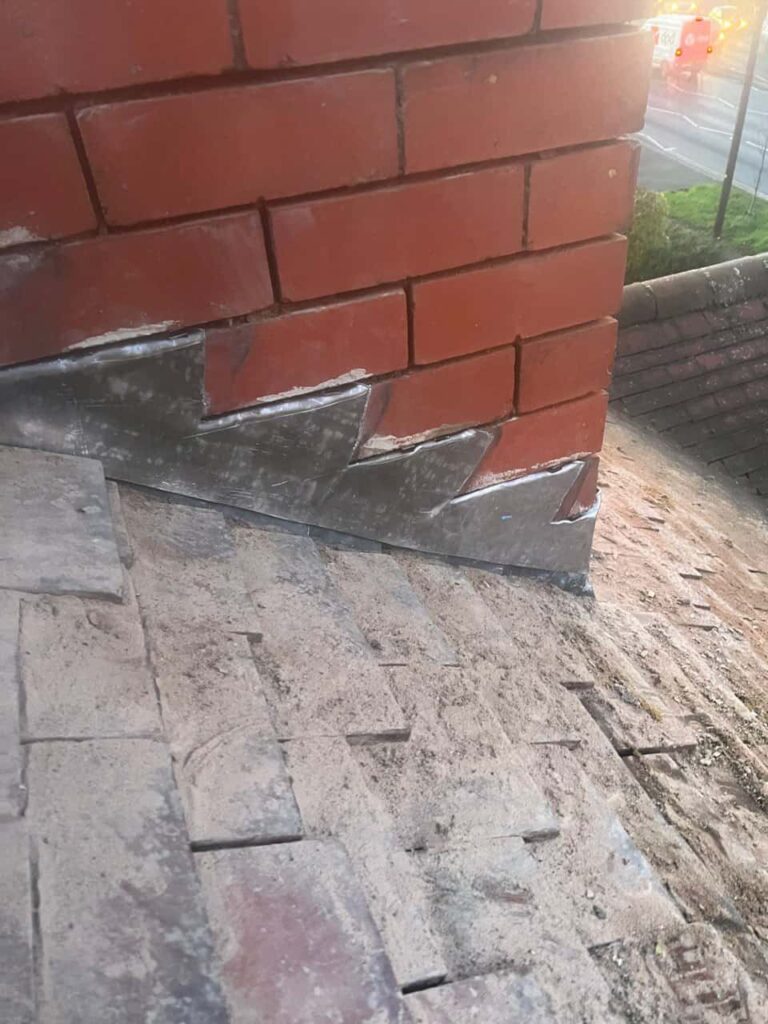
- Defective leadwork or flashing
- Damaged ridge or hip details
- Failed mortar around roof junctions
- Problems within valleys
- Blocked or damaged rainwater channels
- Defects around roof windows, vents or pipes
Because these problems can create similar damp patches indoors, assuming the cause without a proper inspection can lead to ineffective repairs.
The Weather Can Provide Important Clues
The conditions in which a leak appears can help narrow down its likely source. Water entering only during wind-driven rain may indicate a displaced tile, vulnerable junction or flashing defect. A leak that develops during prolonged rainfall may be connected to a valley, drainage route or area where water is collecting.
The timing of the leak also matters. Whether damp appears immediately, several hours later or only after repeated rain can reveal how water is moving through the roof. These details help a roofer investigate the correct areas more efficiently.
A Proper Inspection Looks Beyond the Visible Damage
Reliable leak detection involves examining the roof as a complete system. The external covering should be checked alongside accessible internal areas and vulnerable junctions.
An inspection may consider:
- Tile or slate alignment
- Fixings, battens and underlay
- Valleys, ridges and hips
- Chimney junctions and flashing
- Roof penetrations and abutments
- Gutters and drainage points
- Moisture marks within the roof space
- Signs of previous repair work
Looking at these elements together helps distinguish an isolated defect from more widespread deterioration.
Finding the Cause Prevents Symptom-Only Repairs
Sealing a visible gap or redecorating an internal stain does not necessarily stop water from entering. If the underlying fault remains, moisture can continue spreading through concealed parts of the roof.
A symptom-only repair may also make future diagnosis more difficult by changing the route taken by the water. Locating the source first allows the repair to address how and why the leak developed, rather than merely covering its latest visible effect.
Accurate Diagnosis Protects the Surrounding Roof
Water ingress can affect more than the point where it enters. Prolonged moisture exposure may damage battens, underlay, insulation, ceilings and timber components. It can also create damp conditions in areas that remain hidden from everyday view.
Prompt investigation helps limit this spread. When the defect is identified early, work can often remain focused on the affected area while preserving the sound parts of the roof.
Previous Repairs Should Be Examined Carefully
A roof that continues leaking after earlier work may have been repaired in the wrong place, or there may be more than one defect. Materials used in a previous repair can also deteriorate or separate from the surrounding roof over time.
Reviewing earlier work provides valuable information. A professional roofer can assess whether the repair has failed, whether water is entering from a nearby junction or whether a separate problem has developed.
Not Every Damp Patch Is Caused by Rainwater
Moisture appearing near a roof does not always originate from an external leak. Condensation can form where warm, humid indoor air reaches a cold surface, particularly if ventilation is restricted.
The pattern of damp often helps separate these causes. Rain-related staining may correspond with particular weather conditions, while condensation can be more widespread or associated with moisture inside the property. Correct identification is essential because the appropriate remedy will be different.
What Information Should You Give Your Roofer?
Property owners can assist the investigation by noting:
- When the leak first appeared
- Which weather conditions make it worse
- How quickly staining develops after rainfall
- Whether the damp patch changes size
- Where previous repairs were completed
- Whether any recent roof movement or damage has been noticed
Photographs taken when the leak is active may also help show how the problem develops. This information supports the inspection but should not replace a direct assessment of the roof.
Why Professional Roof Leak Detection Adds Value
Professional diagnosis brings together visible evidence, roofing knowledge and an understanding of how water behaves within different roof structures. It allows the repair to be planned around the actual defect and the condition of the surrounding materials.
This measured approach reduces guesswork and helps avoid repeated patching. It also enables the roofer to explain whether a localised repair is likely to be sufficient or whether connected defects require broader attention.
Conclusion
Finding the source is the first priority in any effective roof leak repair. Water can travel away from the original defect, and several different roofing problems can produce almost identical symptoms inside a property.
A thorough inspection identifies the true entry point, establishes why the leak developed and determines the most appropriate repair. If you have noticed water ingress at your property in Cannock, West Midlands, contact Cannock Roofing Repairs to arrange a professional assessment and receive clear guidance on the work required.
Call us on: 01543 220 998
Click here to find out more about Cannock Roofing Repairs
Click here to complete our contact form and see how we can help with your roofing needs.