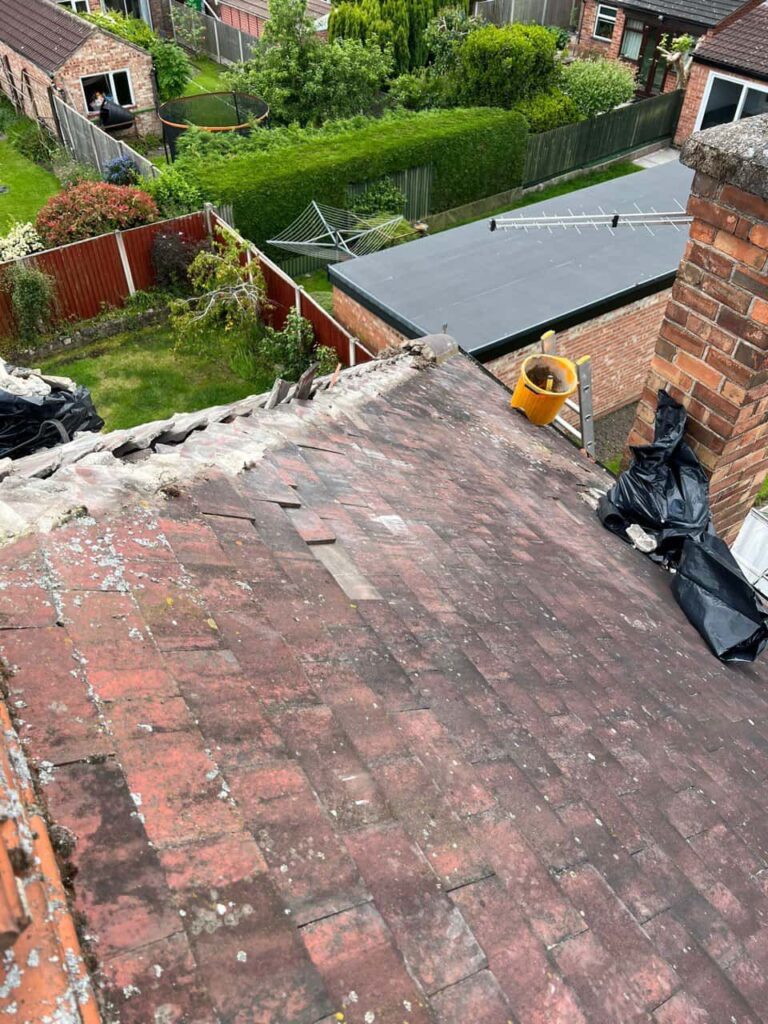
High winds can wreak havoc on roofs, especially in areas that frequently experience strong gusts and storms. Missing tiles, lifted flashing, or displaced ridge caps are all common issues after a period of severe weather. The good news is that not every case of wind damage requires a complete roof replacement. In many situations, timely professional repairs can restore your roof’s integrity and prevent further deterioration. For property owners in Cannock, West Midlands, Cannock Roofing Repairs provides expert assessment and repair services to keep your roof secure and performing at its best.
Understanding How Wind Damages a Roof
Wind damage doesn’t always appear dramatic at first glance, but even subtle issues can lead to bigger problems if left untreated. Strong gusts can create a “suction effect,” lifting tiles or shingles from their fixings and exposing the layers beneath. Over time, this allows water to seep through and cause dampness or rot in the roof structure.
Common forms of wind damage include:
- Lifted or missing roof tiles – Exposed areas allow rain to penetrate the underlay.
- Dislodged ridge or hip tiles – High winds often target the uppermost parts of the roof.
- Damaged flashing or leadwork – Torn or loosened flashing can compromise waterproofing.
- Gutter displacement – Strong winds can detach gutters or break their fixings, causing drainage issues.
Recognising these early helps determine whether localised repairs will suffice or whether the damage has affected the roof’s overall structure.
Can Wind Damage Be Repaired Without a Full Roof Replacement?
In many cases, yes. If the damage is limited to a specific section or a few tiles, targeted repairs are often sufficient. Cannock Roofing Repairs specialises in identifying whether localised restoration is the most effective approach. Our team thoroughly inspects the affected areas to determine the extent of the damage and address it efficiently.
When Repairs Are a Suitable Option
- Minor tile loss or displacement – If only a few tiles are missing or cracked, they can be replaced individually.
- Localised flashing damage – Damaged or lifted flashing around chimneys, vents, or valleys can often be repaired or resealed.
- Secure underlay and structure – When the underlying roofing layers remain intact, only surface-level repairs are needed.
- Sound structural framework – If rafters and battens show no signs of water damage or warping, the repair can be localised.
These repairs can extend the lifespan of your roof while maintaining its watertight integrity, saving you the cost and disruption of a full replacement.
When Replacement May Be Necessary
While many wind-related issues can be fixed with partial repairs, there are cases where replacement is the more practical and long-term solution. This typically applies when damage is widespread or has compromised the roof’s structural performance.
Signs That a Replacement May Be Required
- Large areas of missing or broken tiles – Significant tile loss exposes the underlay and structure beneath.
- Water ingress or leaks inside the property – Persistent leaks suggest deeper issues with the roof’s waterproofing system.
- Widespread flashing failure – If flashing across multiple sections is damaged, patch repairs may not provide lasting results.
- Weakened roof structure – Prolonged exposure to moisture can cause rot or sagging in the supporting framework.
In such cases, replacing the affected sections—or in severe situations, the entire roof—ensures a reliable, long-term solution.
The Importance of Professional Roof Assessment
Wind damage can sometimes be deceptive. What appears to be a few missing tiles may hide underlying issues, such as torn underlay or loosened fixings. That’s why professional inspection is essential before deciding on repairs or replacement.
At Cannock Roofing Repairs, we carry out thorough roof assessments to identify all signs of wind-related deterioration. This includes checking for:
- Lifted or loose tiles and ridge caps.
- Damaged underlay or exposed batten sections.
- Leaks, damp patches, or water trails inside the loft space.
- Signs of structural strain or movement.
This comprehensive approach ensures no problem goes unnoticed and that the chosen repair method restores both strength and appearance.
Benefits of Timely Wind Damage Repairs
Addressing wind damage promptly offers several advantages beyond immediate protection.
- Prevents leaks and water damage – Quick repairs stop moisture from seeping into insulation, rafters, or ceilings.
- Avoids escalating costs – Small problems caught early prevent more extensive damage later.
- Maintains energy efficiency – A sealed, well-maintained roof helps regulate indoor temperatures.
- Extends roof lifespan – Proper care allows your existing roof to perform effectively for many more years.
- Preserves property appearance – Matching replacement tiles ensure the roof remains visually consistent.
Cannock Roofing Repairs provides expert craftsmanship that restores your roof’s strength while maintaining its aesthetic integrity.
Why Local Expertise Matters
Choosing a local specialist for roof repairs ensures you receive service tailored to the area’s specific weather patterns and property styles. In the West Midlands, roofs face regular exposure to wind and rain, meaning a deep understanding of local conditions is essential.
Cannock Roofing Repairs has extensive experience working with traditional pitched roofs, modern tile systems, and flat roofing surfaces across Cannock. Our familiarity with the local climate allows us to recommend the most effective materials and repair techniques to ensure long-term durability.
Preventing Future Wind Damage
While it’s impossible to prevent every storm-related incident, regular maintenance can reduce the risk of serious damage. Routine inspections help identify and correct small vulnerabilities before they worsen.
Simple Preventative Steps
- Replace cracked or loose tiles as soon as they are noticed.
- Ensure ridge and hip tiles are securely fixed.
- Keep gutters clear to prevent water buildup.
- Trim overhanging branches that could damage the roof during strong winds.
- Have your roof checked annually by professionals.
These proactive measures go a long way in protecting your property and minimising the likelihood of needing major repairs in the future.
Conclusion
Not all wind damage requires a full roof replacement. In many cases, professional repairs can restore your roof to full working order, preventing leaks and maintaining long-term protection. However, a detailed inspection is essential to determine the best approach for your property. For homeowners in Cannock, West Midlands, Cannock Roofing Repairs offers expert assessments, tailored solutions, and skilled workmanship that ensure your roof remains strong, weather-resistant, and reliable after even the toughest storms.
Call us on: 01543 220 998
Click here to find out more about Cannock Roofing Repairs
Click here to complete our contact form and see how we can help with your roofing needs.